Turning data into piece of mind
There is no shortage of health data. The problem is that most of it lives in silos and rarely leads to clear action. Patients log symptoms without understanding what they mean. Clinicians piece together information from multiple sources. Researchers often work with incomplete or outdated datasets. Amissa is a breakthrough platform aiming to bring health insights to both the patient and the doctor- in real time.
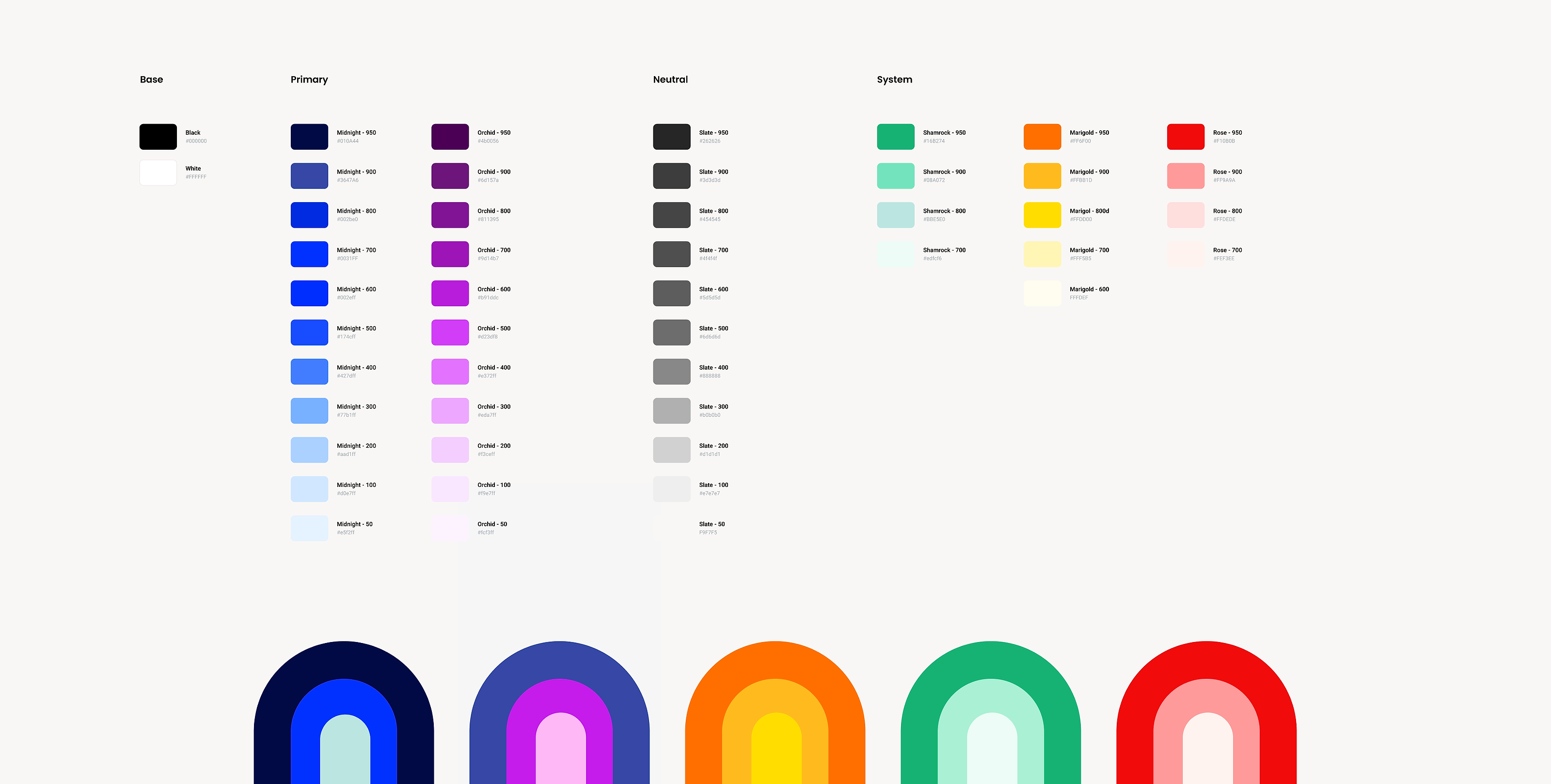
Evolving the Visual Language
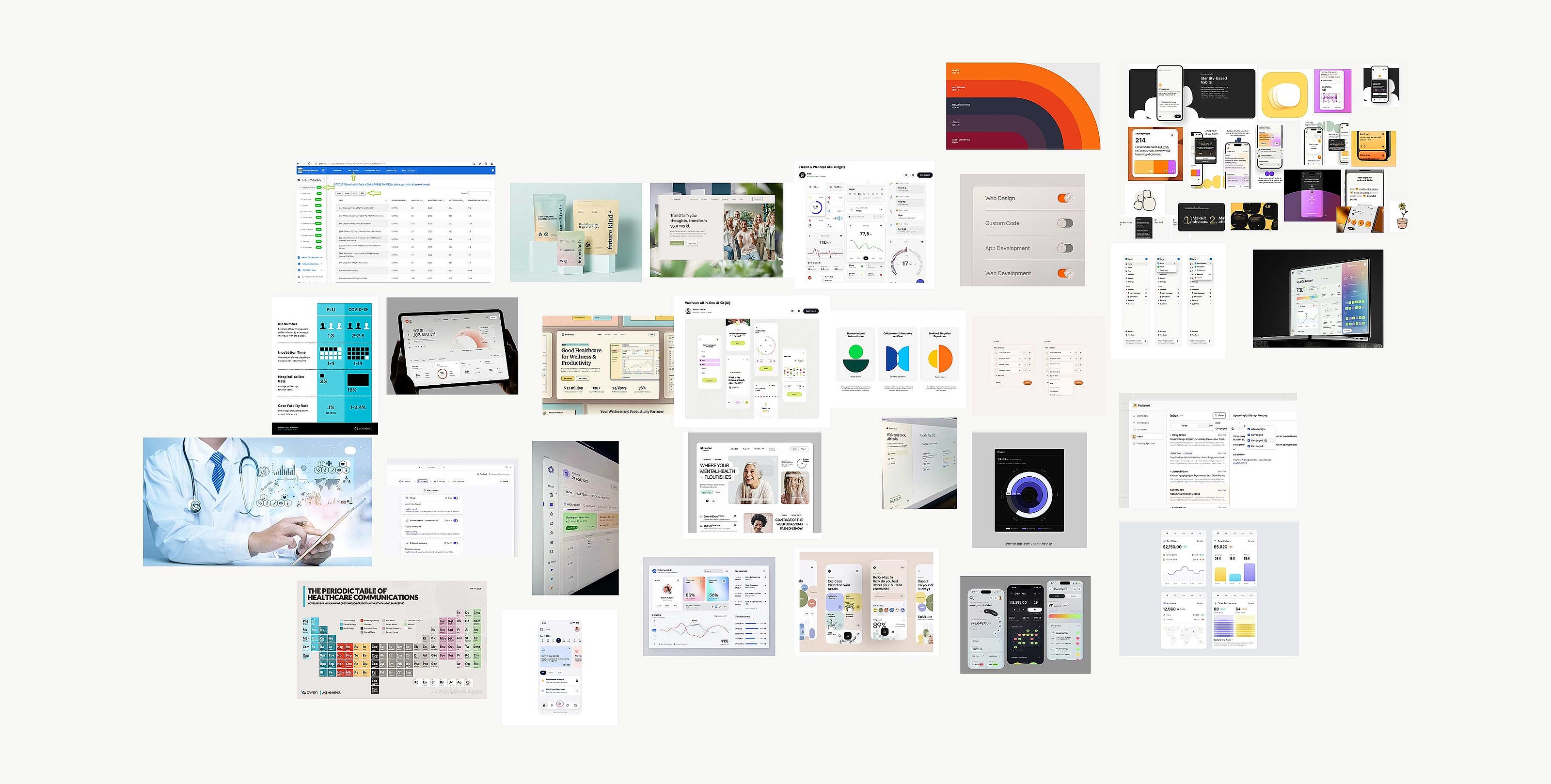
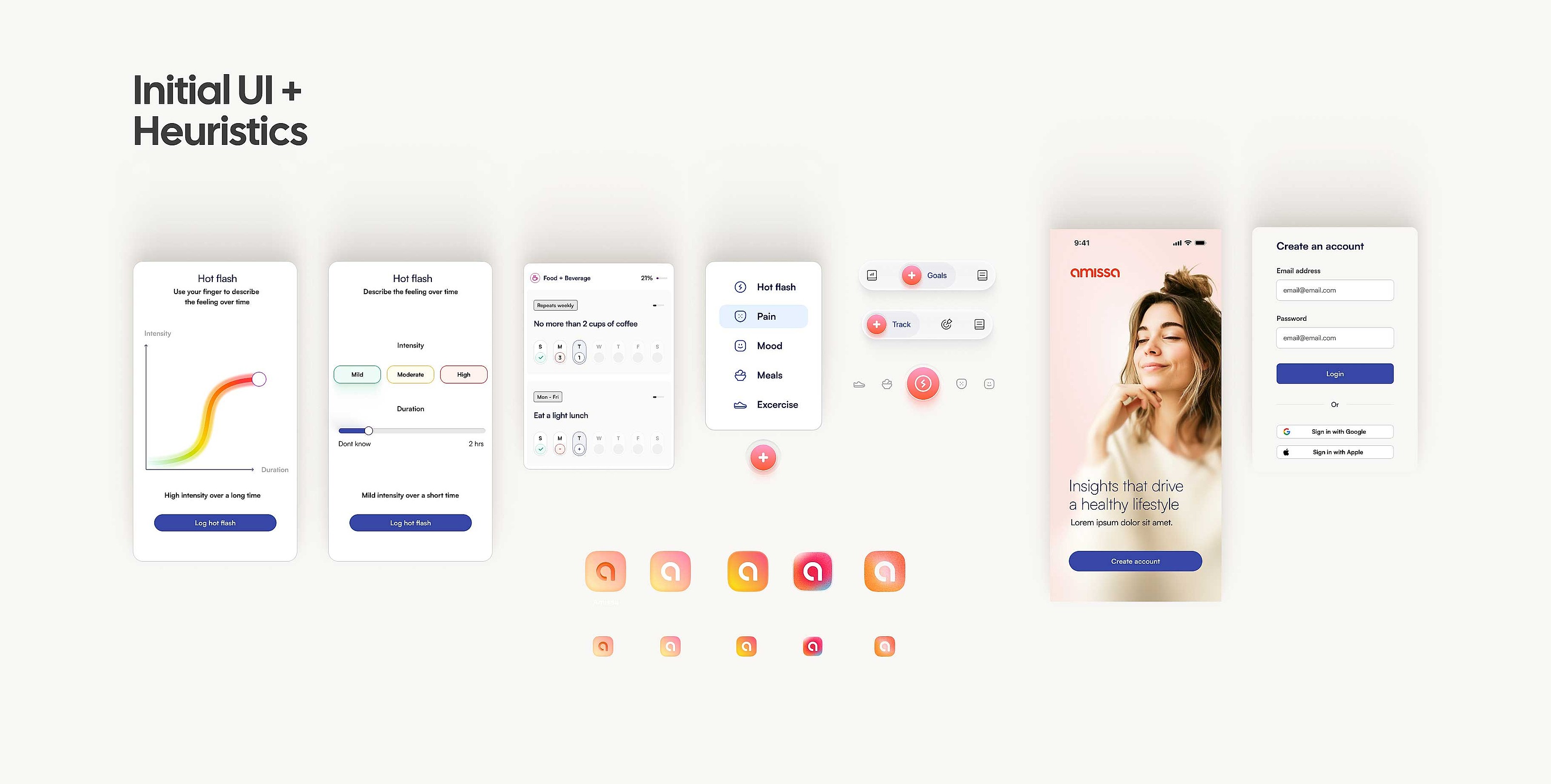
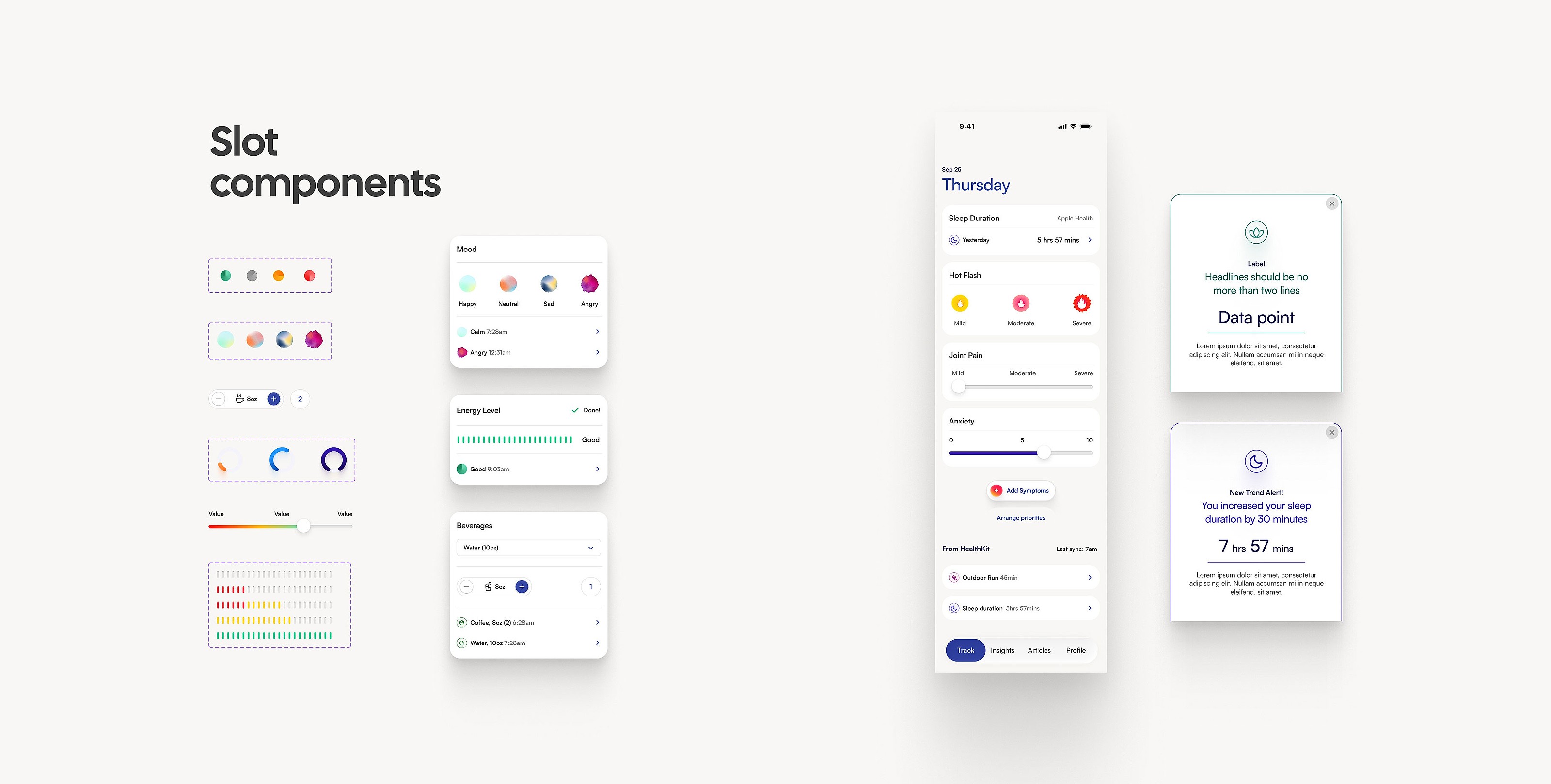
Early in the process, we ran a series of brand and UI workshops to establish a shared visual and interaction foundation. Instead of over-designing upfront, we focused on defining a simple, primitive language of components, type, and structure that could flex as the product evolved. This gave us the beginnings of a design system much earlier than usual, which proved critical during patient interviews.
We were able to quickly assemble and adjust prototypes using consistent patterns, test ideas in real scenarios, and iterate without starting from scratch each time. It kept the team aligned and allowed us to move fast while still feeling cohesive across every touchpoint.

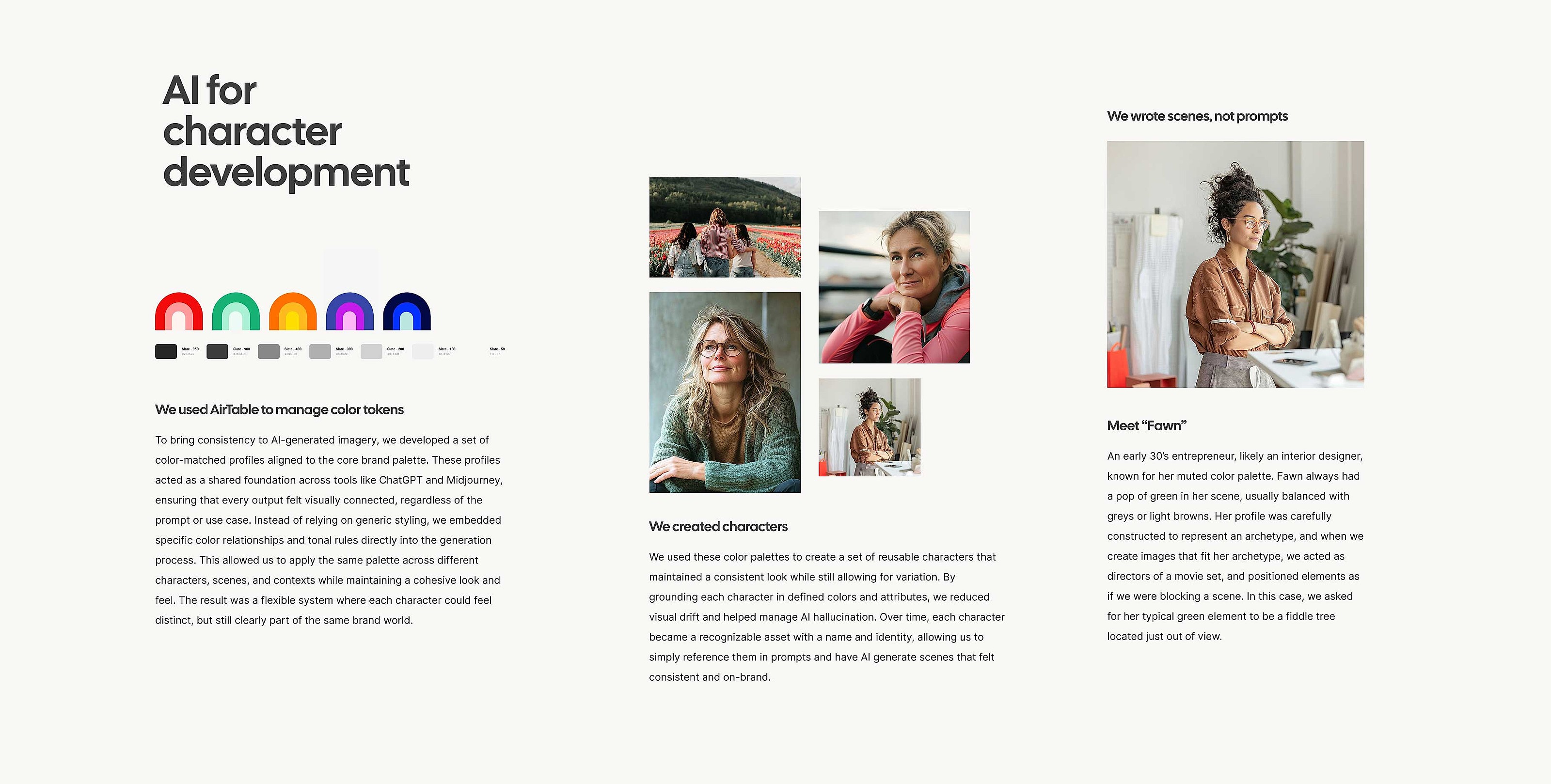
We created scenes, we didn't write prompts
We used these color palettes to create a set of reusable characters that maintained a consistent look while still allowing for variation. By grounding each character in defined colors and attributes, we reduced visual drift and helped manage AI hallucination.
Over time, each character became a recognizable asset with a name and identity, allowing us to simply reference them in prompts and have AI generate scenes that felt consistent and on-brand.
What We Learned
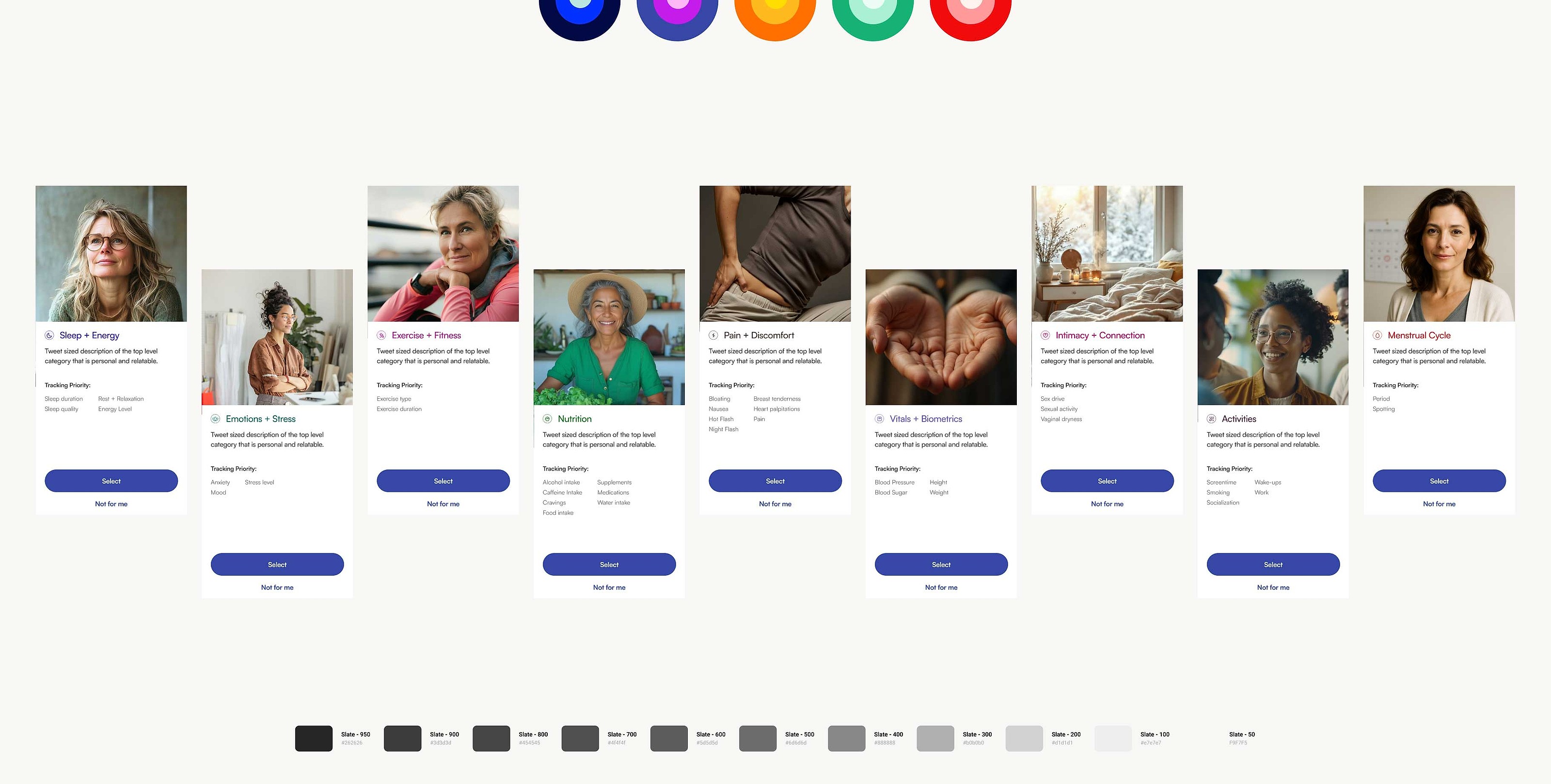
We conducted over 20 interviews with patients and clinicians to understand how this data would actually be used in real life. Going in, we assumed onboarding should be quick and lightweight to reduce friction. What we found was the opposite. The core patient group we focused on, premenopausal women experiencing a wide range of symptoms and emotions, wanted more control from the start. They were not looking for a simplified experience.
They wanted the ability to define, customize, and track what mattered to them with precision. This shifted our approach. Onboarding became less about speed and more about setting up a system that felt personal and flexible. As patients logged a broader and more detailed set of symptoms, clinicians were able to piece together a clearer picture over time, connecting patterns that might have otherwise been missed and using that context to better focus treatment.
Explore, Test and Refine
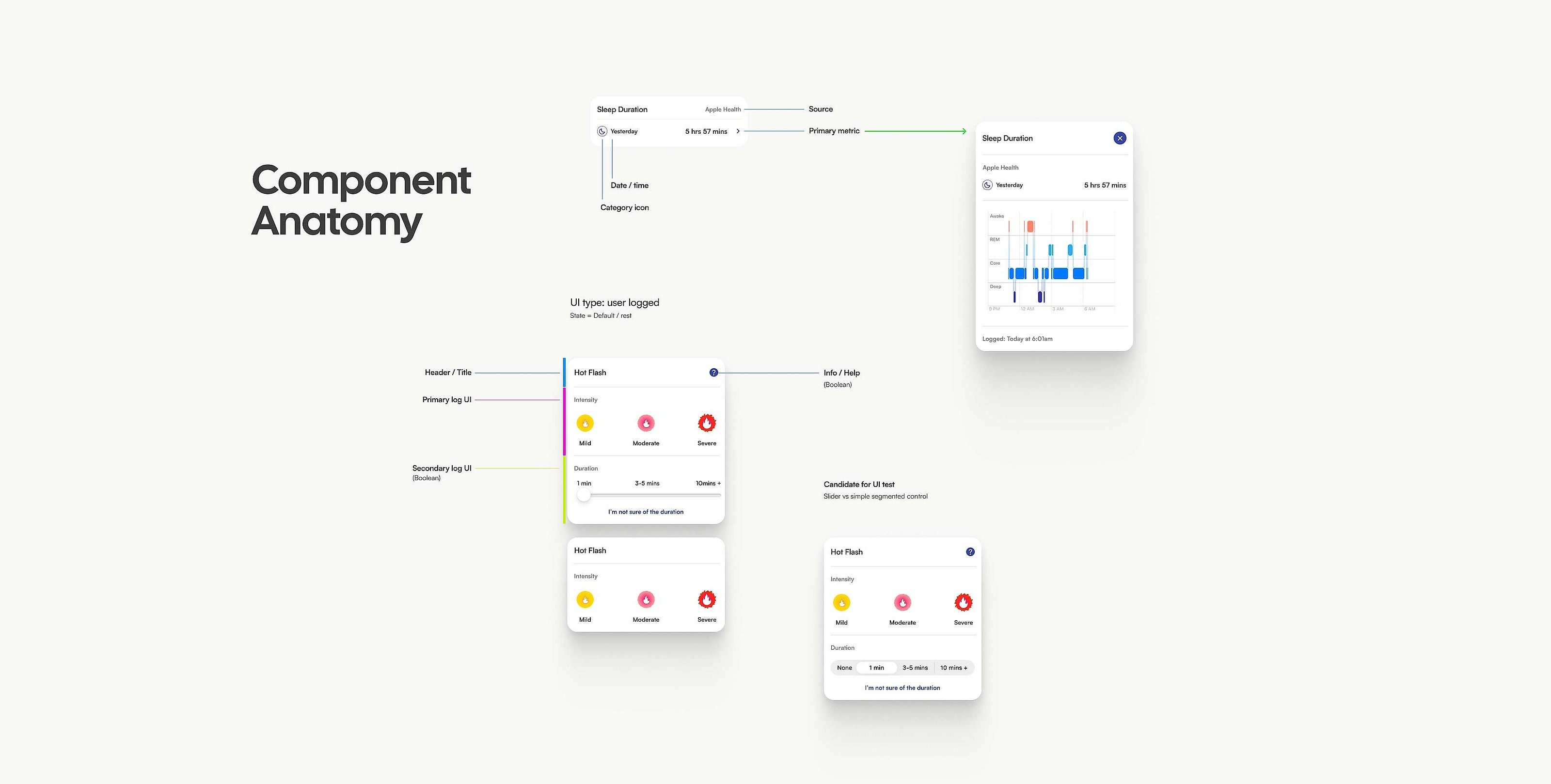
In the early UI iterations, we explored a range of approaches to find the right balance between depth and ease of use. Before designing a single interface element, we spent time having patients simply talk out loud about what they were feeling. They described sensations like hot flashes, mood shifts, and energy changes in their own words, without any structure or prompts. This helped us understand the language they naturally used and the level of nuance they expected to capture.
From there, we tested different ways to translate those expressions into a system that felt both flexible and simple to use. Some concepts leaned heavily into structure, others into open input, but the goal was always the same. Create an experience that feels personal and expressive without becoming overwhelming.
AI Integration
Natural language processing to understand user goals and customize their setup path.
The Platform
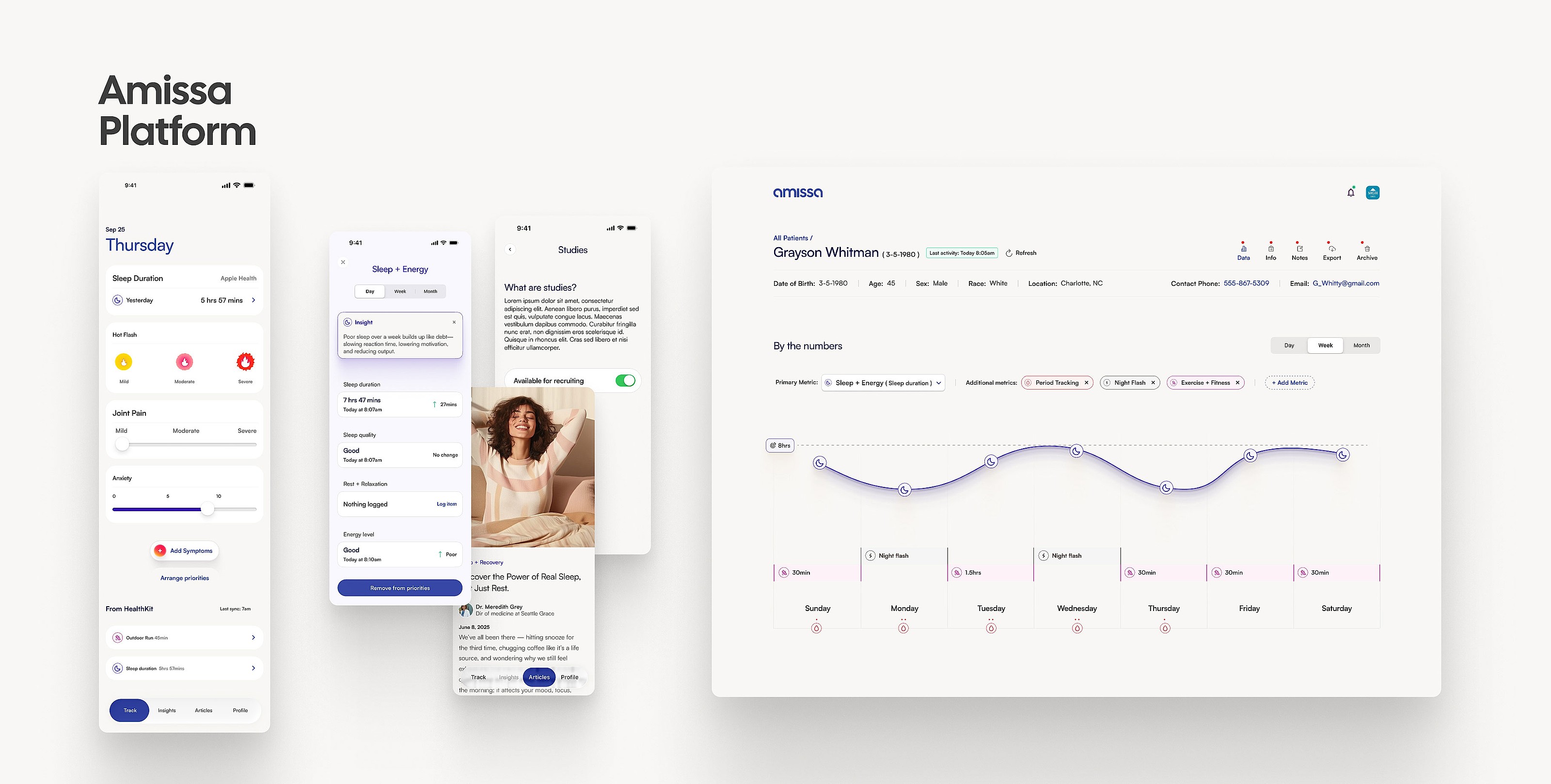
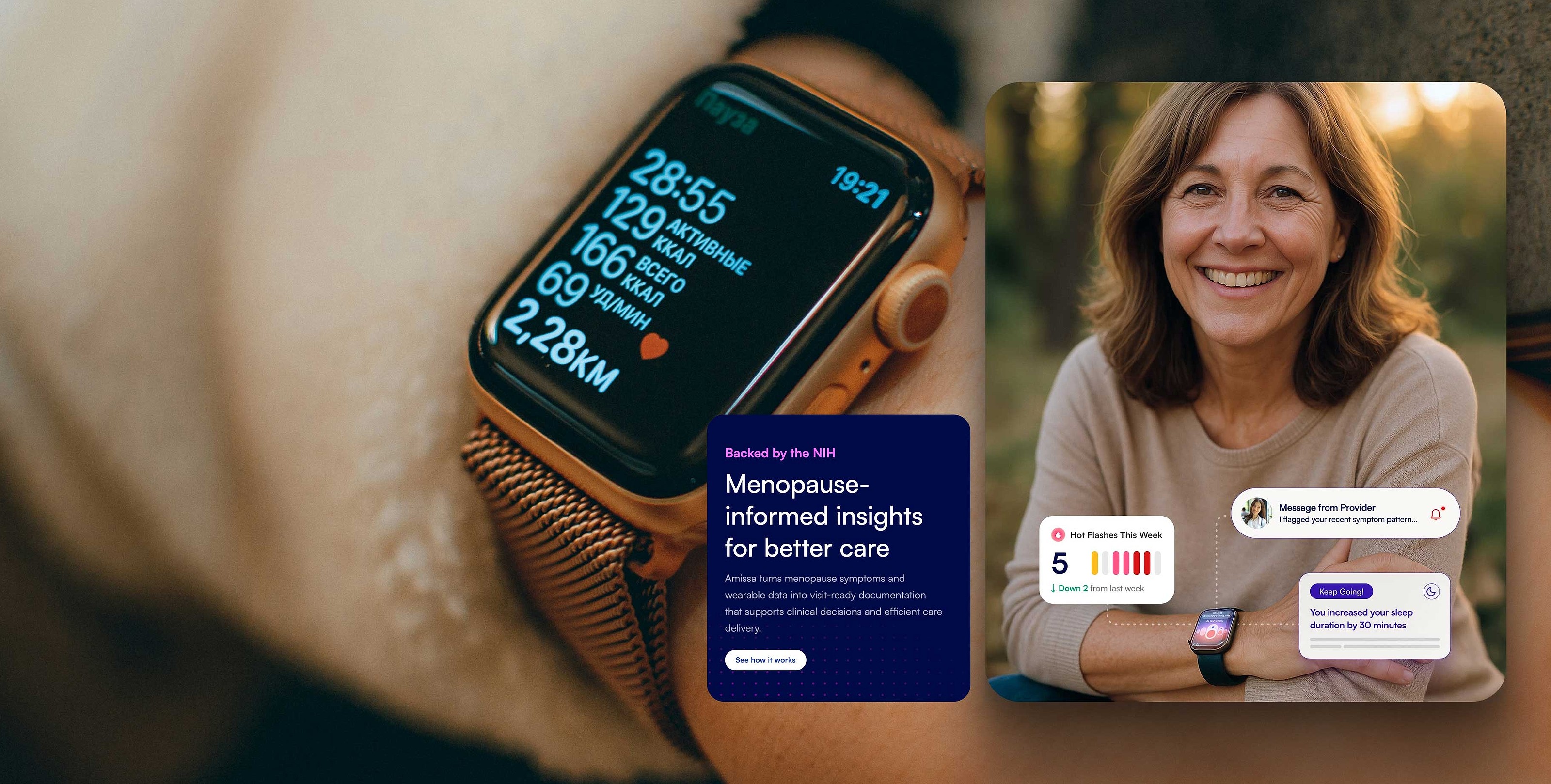
Amissa is a connected health platform made up of three core experiences that work together as one system. The patient app captures a combination of wearable data and self-reported inputs, creating a continuous stream of real-world health signals. That data flows into the clinical portal, where providers can view trends, connect symptoms to outcomes, and make more informed decisions with a fuller picture of the patient’s health over time.
At the same time, the research platform structures this data into anonymized datasets that can be used to run studies and uncover broader insights. Each piece is designed to stand on its own, but the real value comes from how they connect and turn individual data points into something more meaningful.
AI Integration
Predictive analytics to identify at-risk users and trigger proactive support interventions.
Prioritized speed to market
The project was intentionally accelerated to prioritize user research and get a focused MVP into the hands of real users as quickly as possible. Instead of aiming for a fully polished release, we concentrated on building the core experiences needed to test how patients and clinicians would actually use the platform.
This allowed us to gather meaningful feedback early, validate key assumptions, and iterate with confidence. By shortening the path to real-world use, we were able to make smarter product decisions and ensure the platform was evolving based on actual behavior, not just internal thinking.